


ISO 31000 – Risk Management
Every organization faces uncertainty. Some risks may affect plans, resources, reputation, operations, or long-term goals. Other risks may open the door to new opportunities, better decisions, and stronger growth. This is why #ISO_31000 is important: it gives a clear and practical way to think about #Risk_Management in a structured, calm, and positive manner.
#Risk_Management is not about avoiding every risk. In real life, this is not possible. Instead, it is about understanding risks early, making informed choices, and preparing better responses. When risk is managed well, leaders can act with more confidence, employees can work with more clarity, and stakeholders can trust that decisions are based on evidence and good judgment.
One of the strongest points of #ISO_31000 is its flexibility. It can be used by small, medium, or large organizations, and it can support many sectors and activities. The standard does not create a complicated system. It encourages a simple and useful approach that can be adapted to the real needs of each organization. This makes it helpful for teams that want to improve #Decision_Making without adding unnecessary bureaucracy.
A good #Risk_Culture starts with awareness. People at all levels should understand that risks are part of daily work. A risk may come from finance, technology, people, legal duties, safety, quality, supply chains, market changes, or customer expectations. When teams learn to identify risks early, they can reduce surprises and respond in a more professional way.
The #Risk_Assessment process usually begins by understanding the context. This means asking simple but important questions: What are we trying to achieve? What could affect our objectives? Who may be impacted? What internal and external factors should we consider? By answering these questions, an organization can build a clearer picture of its environment.
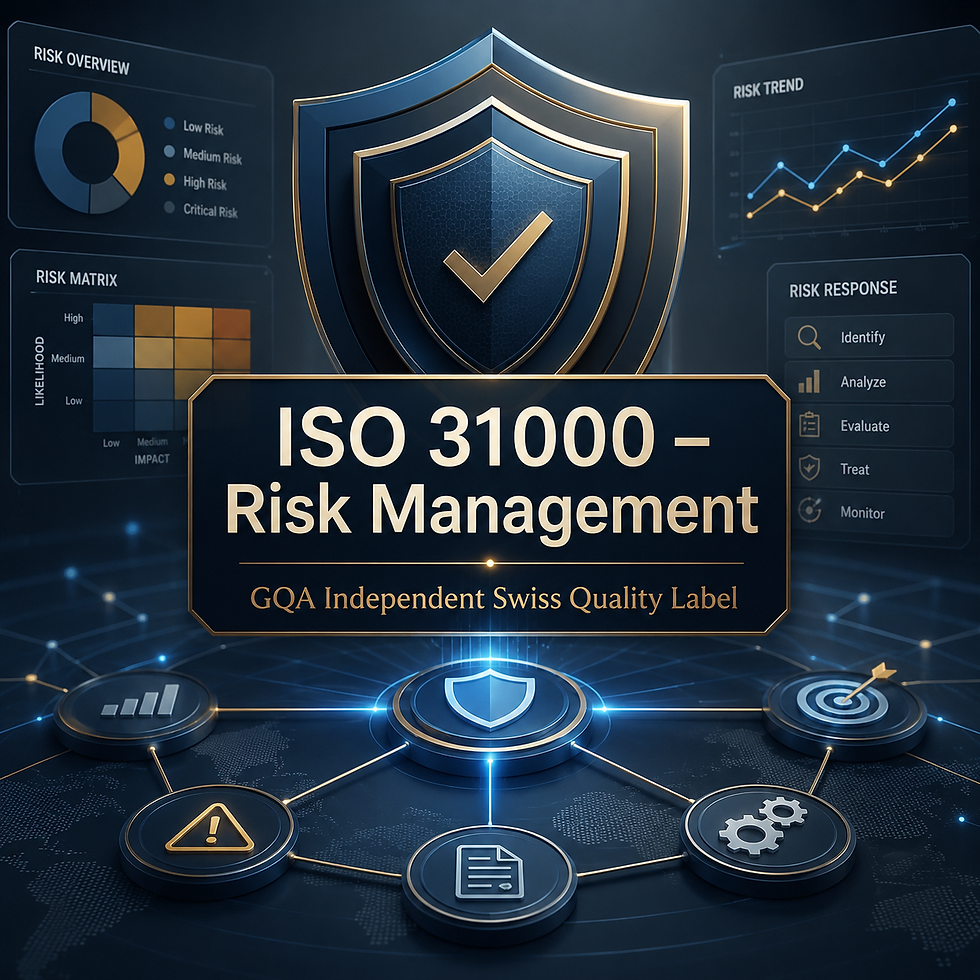
After that, risks can be identified, analyzed, and evaluated. Identification helps teams recognize what might happen. Analysis helps them understand the likelihood and possible impact. Evaluation helps them decide which risks need priority attention. This process supports better #Governance because decisions become more transparent, consistent, and easier to explain.
Once risks are understood, the next step is #Risk_Treatment. This may include reducing the risk, sharing it, avoiding it, accepting it, or using it as an opportunity for improvement. The best response depends on the nature of the risk and the organization’s objectives. A strong response is practical, realistic, and aligned with available resources.
#Leadership plays a very important role in successful risk management. When leaders support risk-based thinking, it becomes part of planning, daily operations, and long-term strategy. Good leaders encourage open communication, honest reporting, and learning from experience. This helps create trust and supports #Operational_Excellence.
Communication is also essential. Risk management works best when people share information clearly and at the right time. Teams should not hide risks or wait until problems become serious. Instead, they should discuss risks openly and look for solutions together. This positive communication supports teamwork and strengthens organizational confidence.
Another important part of #ISO_31000 is monitoring and review. Risks can change quickly. A risk that is small today may become more important tomorrow. A control that works now may need improvement later. Regular review helps organizations stay ready, updated, and aligned with their goals. This is where #Continuous_Improvement becomes a real advantage.
Using #Risk_Management also supports #Business_Resilience. Resilient organizations are better prepared for change. They can continue serving customers, protecting quality, and maintaining trust even when conditions are difficult. This does not mean they never face challenges. It means they are better prepared to respond, adapt, and move forward.
For quality-focused environments, #ISO_31000 can also support #Quality_Assurance. It helps organizations connect risk thinking with service quality, process improvement, accountability, and stakeholder confidence. When risk management becomes part of everyday work, quality becomes more stable and decisions become more reliable.
In the end, #ISO_31000 is a practical guide for building a smarter and more confident way of working. It helps organizations see risk not only as a possible problem, but also as a source of learning and improvement. With clear principles, strong communication, and regular review, risk management becomes a positive tool for better planning, stronger performance, and sustainable success.
Additional hashtags: #Strategic_Planning #Risk_Framework #Risk_Awareness



Comments